


Table of Contents
Much like any car, e-bike maintenance is essential! With so many intricate components, parts will eventually need to be replaced.
I’ve learned (sometimes the hard way) that a little maintenance goes a long way, and it’s the difference between a ride that feels good and one that leaves you halfway home.
If you’re not already doing so, it’s always wise to check in with the experts, either at your local bike shop or directly with the manufacturer.
You can also find a local electric bike repair shop in Australia here: Bike Shop Directory.
Inspection Frequency
E-bike components can sometimes fail before their expected lifespan. To avoid surprises, it is suggested to inspect all primary components at least once a month. However, some elements, such as bolt tightness and folding-bike locking mechanisms, should be checked daily or weekly.
Standard components
When performing your regular checks, the three main mechanical areas to focus on are: brakes, drive-train, and tires.
- Brakes: Look for wear, loose parts, and especially the cleanliness of your brake pads and rotors (if applicable). I’ll cover brake care in detail further below.
- Drive-train: Skipping gears is the most common sign of an issue here. Excessive wear and uneven cassette teeth are another contributing factor.
- Tire conditions: Tires are often overlooked, but proper inflation is critical. Well-inflated tires reduce pedaling effort, help prevent flats, protect the rims, and reduce accident risks (especially the nightmare scenario of a tire detaching from the rim).
Motor components
While mechanical parts are straightforward to check, your e-bike’s motor deserves special attention.
Things to look at when checking the motor are:
- Oily residue: Most e-bike motors use sealed bearings and internal lubrication systems. If you notice grease leakage, unusual residue, excessive noise, or changes in performance, have the motor inspected by a qualified technician.
- Damage to the motor casing: Microcracks would allow water and grime to enter the system.
Most modern controllers will alert you if the motor has a fault, but I still recommend regular visual and functional checks.
E-Bike Battery Care
It is essential to ensure the battery is healthy; practice the following habits.
Minimum charge
Most major battery manufacturers now recommend:
- Keeping batteries between 20% and 80% charge for routine use.
- Charging to 100% only when maximum range is needed.
- Avoiding long-term storage at either 0% or 100%.
- Storing batteries at approximately 40–60% charge if not used for several weeks.
Other items
- Temperature: Modern lithium-ion batteries can operate in warm conditions, but prolonged exposure to temperatures above 40°C (104°F) can accelerate battery degradation. Avoid leaving the battery in direct sunlight. Charging is best between 10°C (50°F) and 30°C (86°F).
- Charging: Remove the battery from the frame if possible.
- Charging time: Many models come with a Battery Management System (BMS). If your bike doesn’t have this tech, it’s essential to disconnect it once it reaches 100% charge. This will prevent overheating the cells.
Read More: E-Bike Batteries – The Beginner’s Guide
Charging Safety Has Become a Bigger Focus
Battery fires are rare these days, but industry guidance has become more specific.
When charging your e-bike’s battery:
- Use only the charger supplied or approved by the manufacturer.
- Charge on a non-flammable surface.
- Avoid charging overnight unless specifically permitted by the manufacturer.
- Inspect charging ports and connectors regularly for dirt, moisture, or corrosion.
- Stop using the battery immediately if you notice swelling, unusual heat, or cracking of the casing.
Brake System Checkups & Condition
Before riding a bike, check the brakes. Regardless of the system used (hydraulic, mechanical, or V-brakes), these should be inspected:
- Loose components. Manually inspect the brake pads, piston structure, and screws
- Excessive wear on the pads. Often heard as a squeal when braking.
- Brake lever compression tightness. If the lever travels too far when braking, it may mean cable stretch
- Does the brake lever stay engaged? The lubricant inside the tubing might be solidified.
- Rotors’ minimum thickness. This one could be tricky to assess. Each manufacturer has their own specification, which would be the starting point for measurement. Look for noticeable discoloration (overheating effects) and scoring marks.
Some extra tips:
- Riding in the rain. Giving the brakes a quick rinse will remove any fine particles trapped between the pads and rotors. Wipe to remove oily surfaces.
- Braking style. Due to friction, rotors and pads overheat. It is recommended to do intermittent braking (press and release) rather than continuously pressing the brakes.
- Replacing elements. If you decide to replace the rotors, it would be good practice to replace the pads as well (though not essential).
How often should you check an e-bike braking system? It will depend on your riding style, riding frequency, and terrain conditions. This could be before every ride, or in a year. However, look for signs indicating that the braking system is not performing as expected.
The Drive-Train System
The drive-train system is responsible for transferring the motor force (torque) onto the tires. For that, it endures heavy wear and tear, especially when a gear shift is applied.
Consider the following to increase its endurance:
- Changing gears. Ease off pedaling when changing gears (e.g., stop pedaling for a second).
- Remove the built-up grime. It is a good idea to do so after riding on gravel or wet rides. A toothbrush is a good tool.
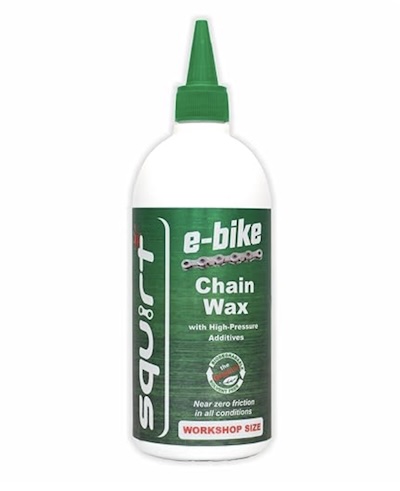
- Lubrication is essential. Lubricate after washing or when you hear chain noise. Use an e-bike chain lubricant.
- Chain tension. Chain skipping is an indication that either the chain or the cassette is worn out, or the chain tension is not optimal. The most reliable way to monitor chain wear is with a chain wear gauge.

Bolts, Wires, and Locking Mechanisms
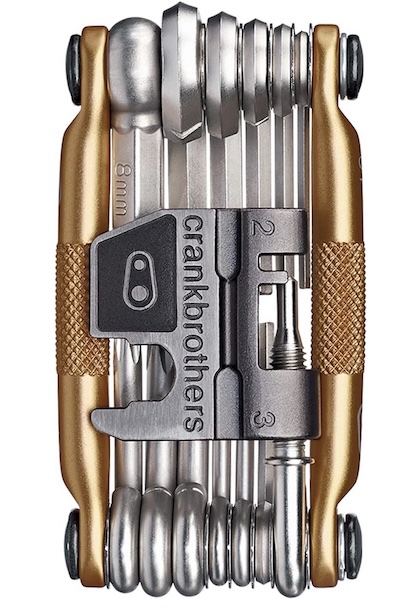
Bolts, wires, and locks secure every single part that comprises an electric bike. A good habit is to carry a little bike multi-tool for quick tightening whenever something feels loose or rattly.
For folding electric bikes, the locking mechanisms that hold the frame together MUST be inspected before each ride. Check how tight the lock is, its bolts, and if the frame feels solid. You should take the e-bike to a nearby bike shop if the previous inspection fails.
The Tires
Air pressure
As mentioned previously, the tires will be responsible for keeping you on track. Aside from checking tire tread conditions, you MUST ensure proper tire pressure.
A simple test is to assess the e-bike’s stability on small humps in the road. If you feel a rattling movement, it could mean the tires have low air pressure (especially the rear one).
Generally speaking, the tire pressure should be:
- Road bike tire between 80 and 100 psi
- Gravel bike tire between 40 and 50 psi
- Mountain bike tire between 25 and 40 psi
Overall, a quick check of the tire specs will tell you the manufacturer-recommended tire pressure range.
Tubless e-bike tires
Many commuter, gravel, and mountain e-bikes are now moving towards tubeless tires. Benefits include:
- Reduced frequency of flat tires
- Lower rolling resistance
- Improved ride comfort
- Better traction
If your e-bike is tubeless, inspect the sealant levels every 3–6 months and replenish as needed.
E-Bike Firmware Updates
Most modern e-bikes now include smartphone apps that allow riders to monitor battery health, motor performance, and system diagnostics.
It is suggested to check for:
- Firmware updates
- Error codes
- Battery health reports
- Motor diagnostic alerts
Keeping firmware up to date can improve performance, fix bugs, and, in some cases, extend battery efficiency.
E-Bike Maintenance Schedule & Frequency
I would rank maintenance priorities as follows:
| Item | 2026 Recommendations | Critical Maintenance / Check Frequency |
| Battery charging, temperature, and health | Maintain 20–80% for daily use, and focus on charging/storage temperatures and heat exposure | Ongoing |
| Long-term storage | Store at 40–60% charge | Every 3 months |
| Firmware updates | Regular app and firmware checks | Quarterly or when available |
| Braking system | Keep them clean and out of oil/grease contamination | Weekly |
| Tire systems | Consider tubeless tire tech | Weekly |
| Chain wear | Use a chain wear gauge | Every 500–1,000 km |
| Motor | Focus on performance, diagnostics, and grease leakage | Ongoing |
| Bolt tightness | Check stem, crank, handlebar, and racks (if fitted) | Monthly |
| Frame | Check for cracks and rust on the structure. For folding e-bike frames, check that the hinges move smoothly | Folding e-bikes: check the hinges before every ride |
| Professional Service | Visit bike shops specializing in e-bike service | Annually or every 1,500–3,000 km |
E-Bike Maintenance Guide Final Thoughts
E-bike maintenance isn’t just about avoiding costly repairs; it’s about keeping your rides smooth, safe, and enjoyable.
From my experience, little habits like carrying a multi-tool, rinsing the brakes after a rainy ride, or topping up tire pressure add up over time.
Your e-bike will thank you with reliable performance and many more kilometers of trouble-free riding.
