


Table of Contents
Electric bike anti-theft systems are becoming essential for any rider who wants peace of mind when leaving their e-bike unattended. As e-bikes grow in popularity, so do the methods used to steal them. But are today’s solutions enough? What about the characteristics of the lock based on the security triangle (cheap, lighter, or more secure)?
Let’s explore your best options and how anti-theft systems have evolved.
E-Bike Anti-Theft Locking Mechanism Foundations
When searching for the best e-bike anti-theft solution, a good place to start is with the lock. Should you secure the tires, the frame, or both? Should you prioritize cost, weight, or security?
There isn’t a one-size-fits-all answer, but understanding your options is the first step.
Best practice in 2026
- Use a U-lock through the frame and rear wheel
- Add a chain lock if parking for longer periods
- Lock to an immovable object
- Keep the lock off the ground to prevent leverage attacks
Think of your lock as the tool that buys time. Most thieves abandon a bike that takes too long to steal.
U-Lock mechanisms
U-locks are among the most popular choices for budget-conscious riders. A sturdy U-lock wrapped through the frame and rear wheel can deter many thieves.
While wheels are commonly stolen, securing the frame reduces access to weak points and prevents rollaway thefts. It’s not foolproof—but it slows down a potential thief, buying you time.
| Kryptonite
|
✅ It can be used to lock the frame and tires simultaneously. There are versions with long “U” shape
X: It is a bit bulky, heavy, and apparently hard to lock. |
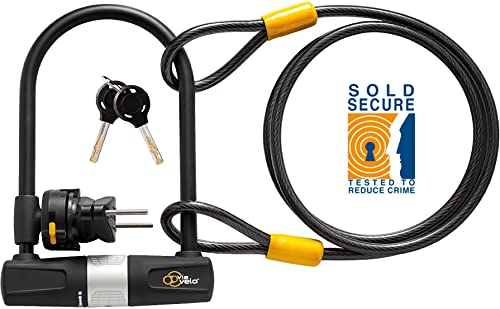
| Via Velo
|
✅ it is sturdy, and the brand offers excellent customer service (based on users’ experience).
X: as the Kryptonite ones, it can be bulky. |
| Abus SmartX
|
✅ It is much lighter than the above options, which makes it the favorite brand for most users. X: Due to the brand reputation, this locking system is considered expensive. |


Complementary smart mechanisms
Some manufacturers integrate anti-theft locking system features directly into their electrical components. Bosch, for example, includes an electronic locking system in its e-bike controller (as seen with the Kiox 300 Smart System). Removing the controller disables the motor assistance, adding another layer of protection.
This type of system works best when paired with Bosch motor and battery units—and alongside a mechanical lock.
Chains, alarms, and budget locks
Even if your budget is tight, investing in a decent lock is critical. Brands like Kryptonite and Abus offer tested, durable options that resist basic tampering.
Consider alarm-equipped locks for extra deterrence. These can alert nearby pedestrians or scare off would-be thieves.
| Kryptonite lock chain
|
✅ It is a quick-and-easy locking system.
X: It can be heavier than a U-Lock version. |
| FoldyLock compact
|
✅ It is compact and easy to lock.
X: It is not too flexible and a bit short. |
eLinkSmart Fingerprint Lock System  |
✅ Lock or unlock by using your finger print.
X: It requires batteries, so be careful if you run out of power. |
Abus Bordo e-bike alarm |
✅ Its alarm is loud, and it has a sturdy structure.
X: It may be a little short if the anchor point is not easily accessible. |


Cutting the power source
Another e-bike anti-theft strategy is removing the battery when parking. Most electric bikes allow this for charging, but it also discourages theft by rendering the motor inoperable.
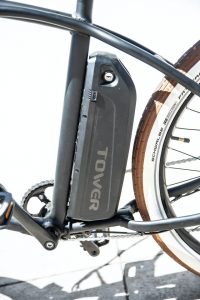
It may add a bit of additional weight to carry, but it’s a small trade-off for security.
Choosing the Right Lockup Location
Where you lock your e-bike can be just as important as how you lock it.
Avoid Dark, Isolated Areas
Always choose well-lit, high-traffic locations when locking your bike outside. The best e-bike anti-theft systems lose effectiveness in isolated areas where thieves can work undisturbed.
Indoors Over Outdoors
If possible, store your e-bike inside. Even a high fence isn’t always enough to stop determined thieves. Compact or folding e-bikes offer an advantage here—they’re easier to bring indoors.
Change Up Your Routine
If you park your e-bike in the same spot every day, thieves may notice. Switch up your locations and inspect lock-up points regularly. A solid object is only useful if it can’t be broken or removed.
Removing Valuable Accessories
Beyond the frame and wheels, electric bikes often have removable parts: batteries, lights, and controllers. These can be expensive to replace.
Pop them into your bag when parking in public to avoid becoming a target – it happened to me.
Locking the Bike According to Value
Always consider which part of the e-bike is most valuable—and most vulnerable. In most cases, it’s the frame or the battery, but the anti-theft locking system should also account for high-end tires, especially rear ones that house hub motors.
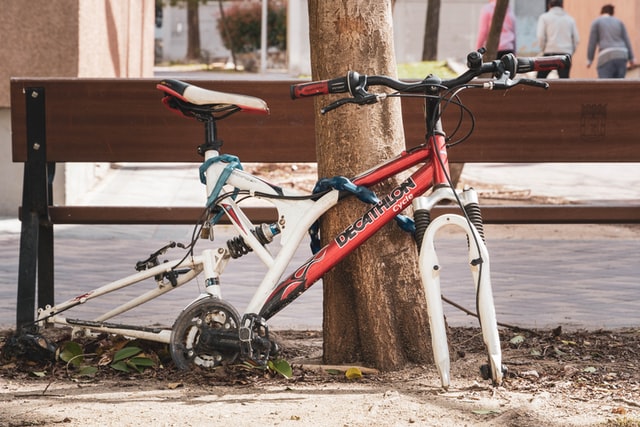
A thief might not want your whole bike—just the valuable parts.
Read More: Electric Bike Tires Guide.
E-Bike Insurance?
Insurance is another key piece of the puzzle. Several providers now offer tailored plans covering theft, liability, and damage.
Some plans even require the use of approved locks. It’s worth researching options and factoring insurance into your overall security plan.
Read More: Electric Bike Laws.
Don’t worry; I will guide you through them in an article soon.
What is New Regarding E-Bike Locking Systems (2025 vs. 2026)?
The past year has seen a noticeable shift in anti-theft technology:
Smart security: Built into the e-bike
This is where things have changed significantly since 2025. Many modern drive systems now include digital anti-theft layers that work alongside your lock.
Digital locking and alarm systems
For example, Bosch eBike Systems introduced features inside its Smart System, such as:
- E-bike Lock (motor assistance disabled without your phone)
- E-bike Alarm (movement detection and alerts)
- Battery Lock (battery unusable if stolen)
What’s new in 2026: Digital “Stolen” Flagging
You can now mark a Bosch-equipped e-bike or battery as stolen in the Flow app. Once flagged:
- The bike is identified across the Bosch service network
- Software updates are blocked
- Dealers can see that it has been stolen
- Resale becomes much harder
This doesn’t stop theft, but it does affect resale value, which is a powerful deterrent.
Motor immobilizers are emerging
Another 2026 development is motor-level immobilization. Brands using systems from Bafang are beginning to add:
- Digital motor lockouts
- Remote disable features
- Security that remains active even if tracking modules are removed
This means the bike may still roll, but the motor becomes useless to a thief.
Built-In GPS and geo-fencing
In 2024–2025, GPS trackers were add-ons. In 2026, many mid- and high-tier e-bikes include factory-fitted GPS.
These systems allow:
- Real-time tracking
- Movement alerts
- Geo-fencing (alert if bike leaves a defined area)
- Integration with the bike’s alarm and lock systems
GPS is no longer just for recovery; it’s part of the live security system
What Actually Changed? 2024 to 2026
| Feature | 2024 | 2025 | 2026 |
|---|---|---|---|
| Physical locks | Essential | Essential | Essential |
| GPS tracking | Add-on accessory | Recommended | Often built-in |
| Smart alarms | Emerging | More common | Integrated with motor systems |
| RFID / phone unlock | Limited models | Growing adoption | Paired with remote disable |
| Battery removal strategy | Recommended | Recommended | Recommended |
| Digital motor lock | Rare | Experimental | Becoming available |
| Digital stolen flag across the ecosystem | Not available | Not available | Now available (Bosch Smart System) |
| Resale deterrence via software | None | Minimal | Major new deterrent |
Final Thoughts
E-bikes are super fun, but like your car or truck, you must take the proper precautions to ensure their security.
From frame locks to smart security tech, no single e-bike anti-theft method is 100% foolproof. But combining multiple strategies, like mechanical locks, battery removal, smart features, and safe parking, significantly reduces your risk.
